How to Achieve Maine Coastal Cottage Style: Interior Design & Decor Tips
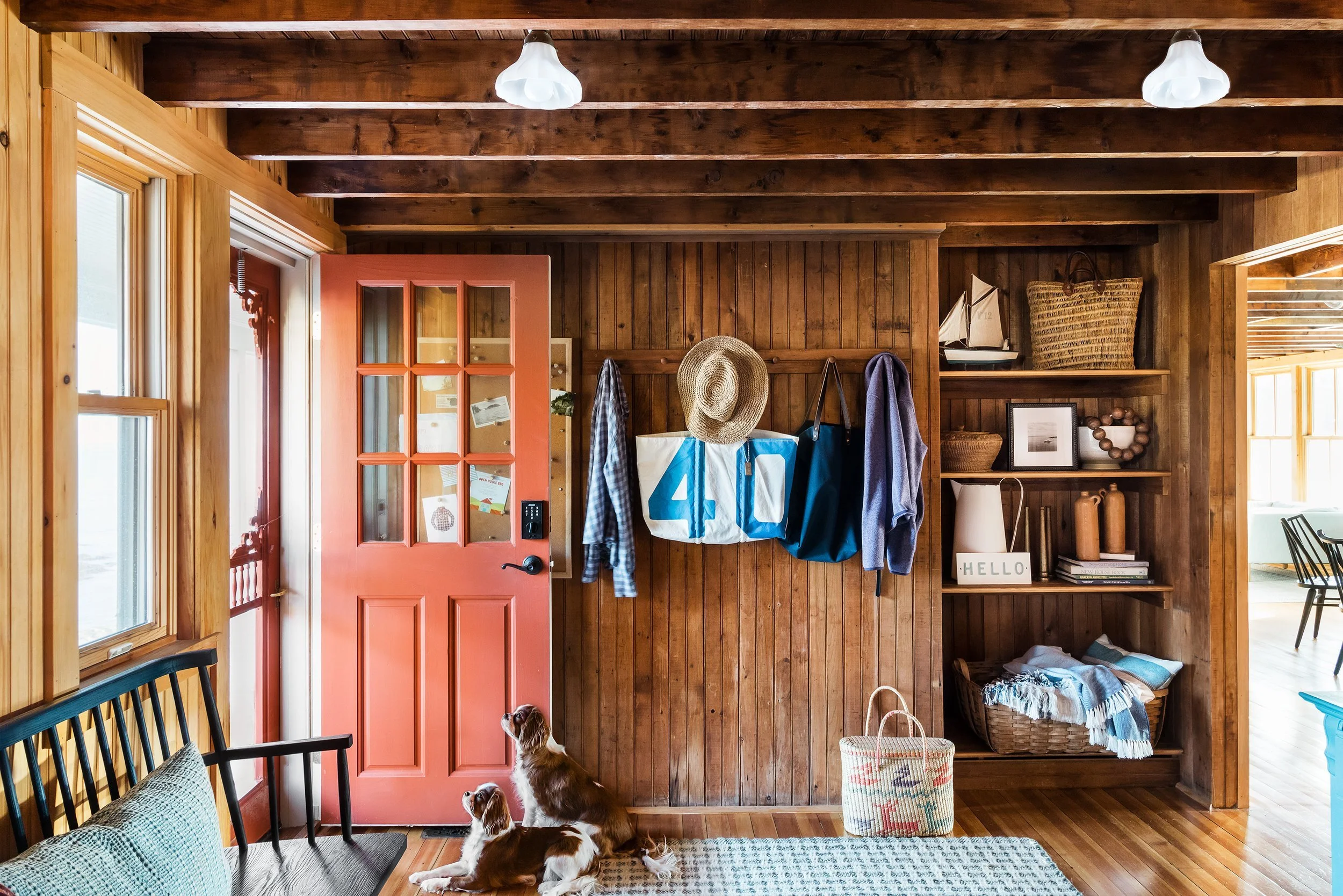
While Violet Marsh Interiors is based in Atlanta, our Maine Cottage and Maine Coastal Cottage projects have become some of our most-loved homes—especially on Pinterest. There's something universally appealing about the relaxed elegance of a coastal cottage. Inspired by the rugged Maine coastline, these homes balance comfort and beauty, creating spaces that feel bright, welcoming, and effortlessly lived in.
The best coastal cottage interiors don't rely on seashells and nautical decor. Instead, they embrace natural materials, soft textures, and a palette inspired by the surrounding landscape. If you're looking to bring Maine coastal cottage style into your own home, here are a few of the design principles we return to again and again.
Choose Summer-Friendly Upholstery
One of the easiest ways to achieve a coastal cottage aesthetic is through your choice of fabrics. When selecting upholstery, imagine what you would want to wear on a warm summer day. Natural, breathable materials such as linen, cotton, canvas, and lightweight woven textiles instantly create a sense of ease and comfort.
Slipcovered furniture is another hallmark of coastal cottage design. Not only does it contribute to the relaxed, casual feel that makes these homes so inviting, but it also offers practical benefits for families, guests, and everyday living. The goal is to create spaces that feel approachable and comfortable while still maintaining a thoughtful, layered look.
Embrace a Coastal-Inspired Color Palette
Color plays a major role in creating an authentic coastal cottage interior. Rather than relying on obvious nautical themes, look to the natural landscape for inspiration. The soft blues of the ocean, warm sandy neutrals, weathered driftwood tones, and crisp whites found along the shoreline all work beautifully together to create a calm, inviting atmosphere.
We often layer these colors with subtle touches of sunshine-inspired yellows or muted greens to bring warmth and dimension to a space. The result is a palette that feels fresh, relaxed, and timeless—perfect for a Maine coastal cottage or any home seeking a coastal influence.
Choose Relaxed, Collected Furnishings
One of the defining characteristics of coastal cottage style is its sense of ease. These homes should feel lived in, welcoming, and collected over time rather than overly formal or perfectly symmetrical.
When selecting furniture and decor, lean toward pieces that feel casual and approachable. Mix shapes, vary materials, and allow spaces to evolve naturally. A thoughtfully layered room often feels more authentic than one where everything is perfectly matched. The goal is not to create a space that looks staged, but one that feels comfortable, personal, and effortlessly inviting.


Layer in Woven Textures and Stripes
Texture is essential to creating a warm, inviting coastal cottage interior. Natural woven materials such as wicker, rattan, jute, sisal, and seagrass help bring the outdoors in while adding depth and character to a space. Whether incorporated through lighting, furniture, baskets, or rugs, these materials introduce an organic quality that feels perfectly at home in a coastal setting.
Stripes are another classic coastal design element, but they don't have to feel overly nautical. A subtle striped pillow, upholstered chair, or area rug can add rhythm and visual interest while reinforcing the relaxed, seaside aesthetic. When paired with natural textures, stripes help create the effortless, layered look that defines coastal cottage style.
Bring in Glass, Coral, and Natural Wood
One of the easiest ways to make a coastal home feel light and collected is through thoughtfully chosen accessories and natural materials. We love incorporating hand-blown glass vessels and decorative objects because they catch and reflect natural light, adding brightness and a sense of airiness to a room.
To balance those lighter elements, layer in organic materials that reference the coastal landscape. Oversized coral, weathered wood, driftwood-inspired accents, and natural wood furnishings all add warmth and texture while connecting the interior to its surroundings. The contrast between smooth glass, sculptural coral, and richly grained wood creates a collected, sophisticated look that feels inspired by the coast rather than themed around it.

Curate Coastal Artwork and Meaningful Objects
Artwork and accessories are often what bring a coastal cottage interior to life. The best coastal homes tell a story, and thoughtfully chosen pieces help create a sense of place and personality. Consider artwork inspired by the natural beauty of the coast—watercolors, seascapes, landscapes, botanical studies, or black-and-white photography that captures the quiet charm of seaside living.
When styling shelves, tables, and built-ins, look for meaningful objects that feel collected rather than overly themed. Vintage finds, antique treasures, local artwork, and pieces gathered during travels often have more impact than anything purchased solely to fit a design style. If you do incorporate coastal references, choose them thoughtfully. A weathered ship model, a piece of maritime history, or a treasured beach find can add character and authenticity without making the space feel overly nautical.
The goal is to create a home that feels personal, layered, and connected to the coast—one that reflects both its surroundings and the people who live there.

Consider Shiplap and Coastal Wall Treatments
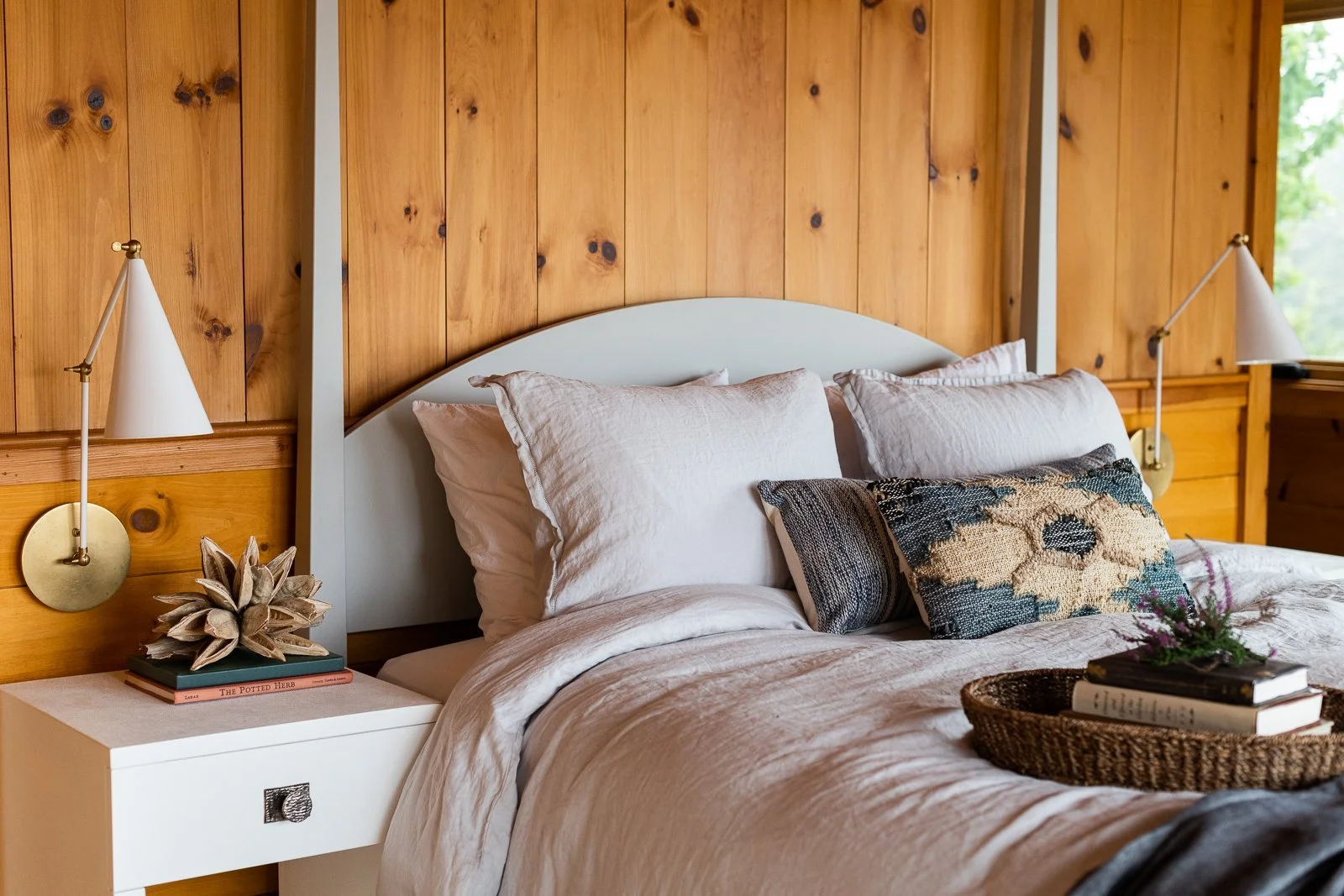
Few architectural details are more closely associated with coastal cottage style than shiplap. Whether installed on walls, ceilings, or as an accent feature, shiplap introduces texture, character, and a sense of history that feels perfectly at home in a coastal setting.
That said, coastal wall treatments don't have to stop at shiplap. Beadboard, tongue-and-groove paneling, and other wood wall details can achieve a similar effect while adding architectural interest and warmth. These elements help break up large expanses of drywall and create the layered, collected feeling that makes a home feel established rather than newly built.
When used thoughtfully, shiplap and other paneling details add depth and dimension while reinforcing the timeless, relaxed nature of coastal cottage design. It's a simple way to bring personality to a space and create a backdrop that feels both classic and enduring.


Ready to create a home that feels warm, layered, and uniquely yours? Whether you're building a coastal retreat, renovating a primary residence, or refreshing a single room, Violet Marsh Interiors specializes in thoughtful interior design for homes throughout Atlanta, New England, and beyond. Schedule a discovery call to learn more about our process and how we can bring your vision to life.
Join the Party.
We promise not to bother you too much, but if you’d like to be alerted to new before & after blog content, please submit your details below.