Travel Journal: On Travel, Inspiration, and a Sense of Place
A friend once told me that I always keep my foot on the gas. I do love my downtime, but they weren’t entirely wrong.
Travel is one of the few things that reliably pulls me out of my everyday routine. It changes what I’m looking at, how I’m moving through the day, and what I notice. Of course, I’m still an interior designer, so I’m never completely off duty. I’m always paying attention to the architecture, the landscape, the art—and probably the lighting in the restaurant bathroom.
Whether I’m watching the sunset along the rocky coast of Maine, looking up at the old brick buildings and overflowing flower boxes in Dublin, hiking through the mountains of Montana, or absorbing the color and sunlight in Mexico, or I’m taking mental notes. Sometimes the inspiration is obvious: a beautiful building, a memorable hotel, or an unexpected color combination. Other times, it’s simply the way a place feels.
Here are a few of the things I find myself bringing home.
The Ease of the Coast
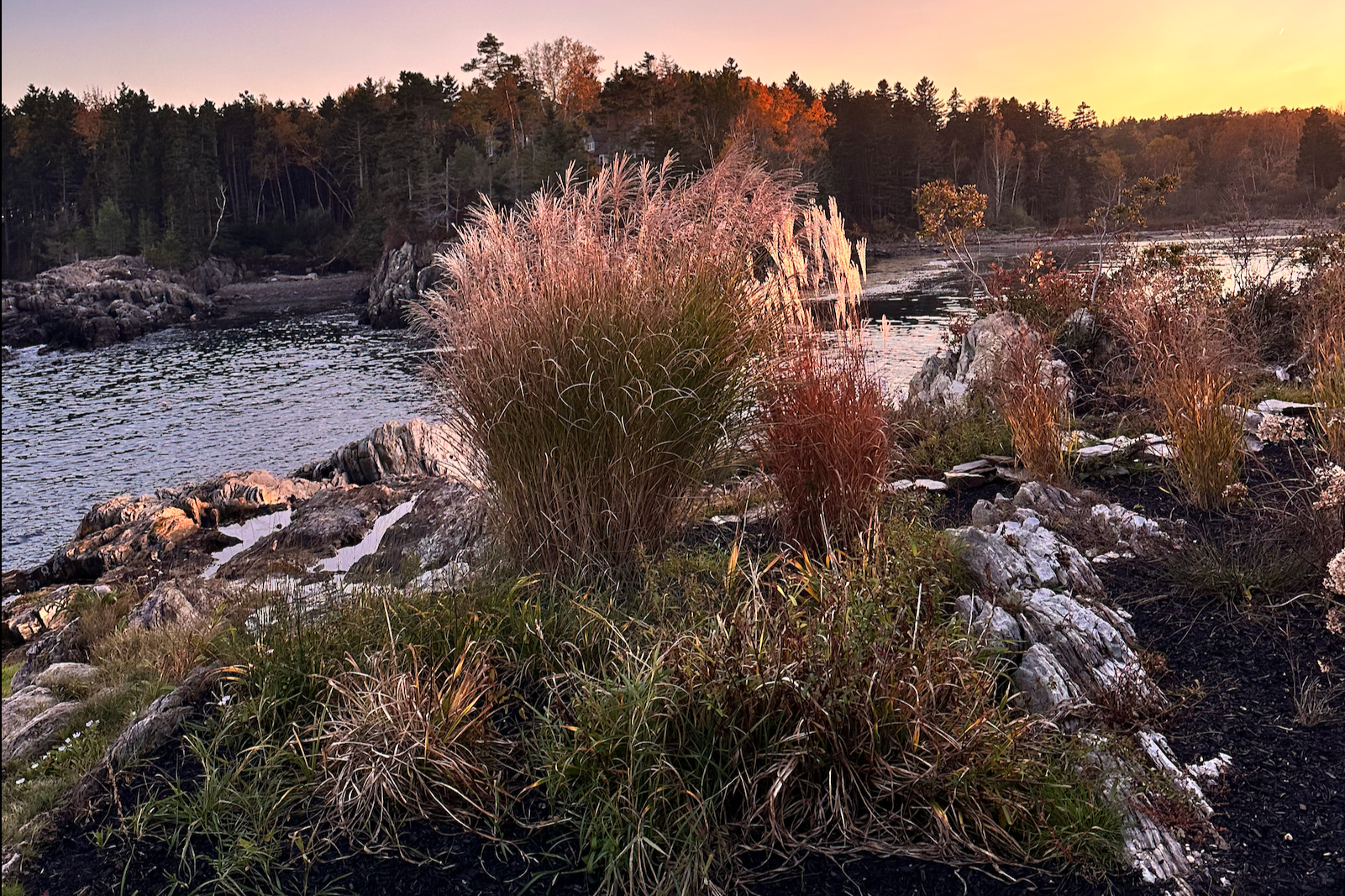
Maine has a rugged, individualistic charm that I love. The small towns, rocky coastline, wild gardens, old cottages, and cold ocean air all encourage a slower and less complicated way of living. The peace really sinks into your bones.
The best coastal homes have that same sense of ease. They don’t need seashells or obvious nautical references to establish a sense of place. It comes through in the materials: linen, weathered wood, woven textures, soft light, and colors pulled from the landscape.
The goal isn’t to create a “coastal look.” It’s to create a home that feels relaxed, comfortable, and connected to its surroundings.
The Intimacy of Historic European Architecture
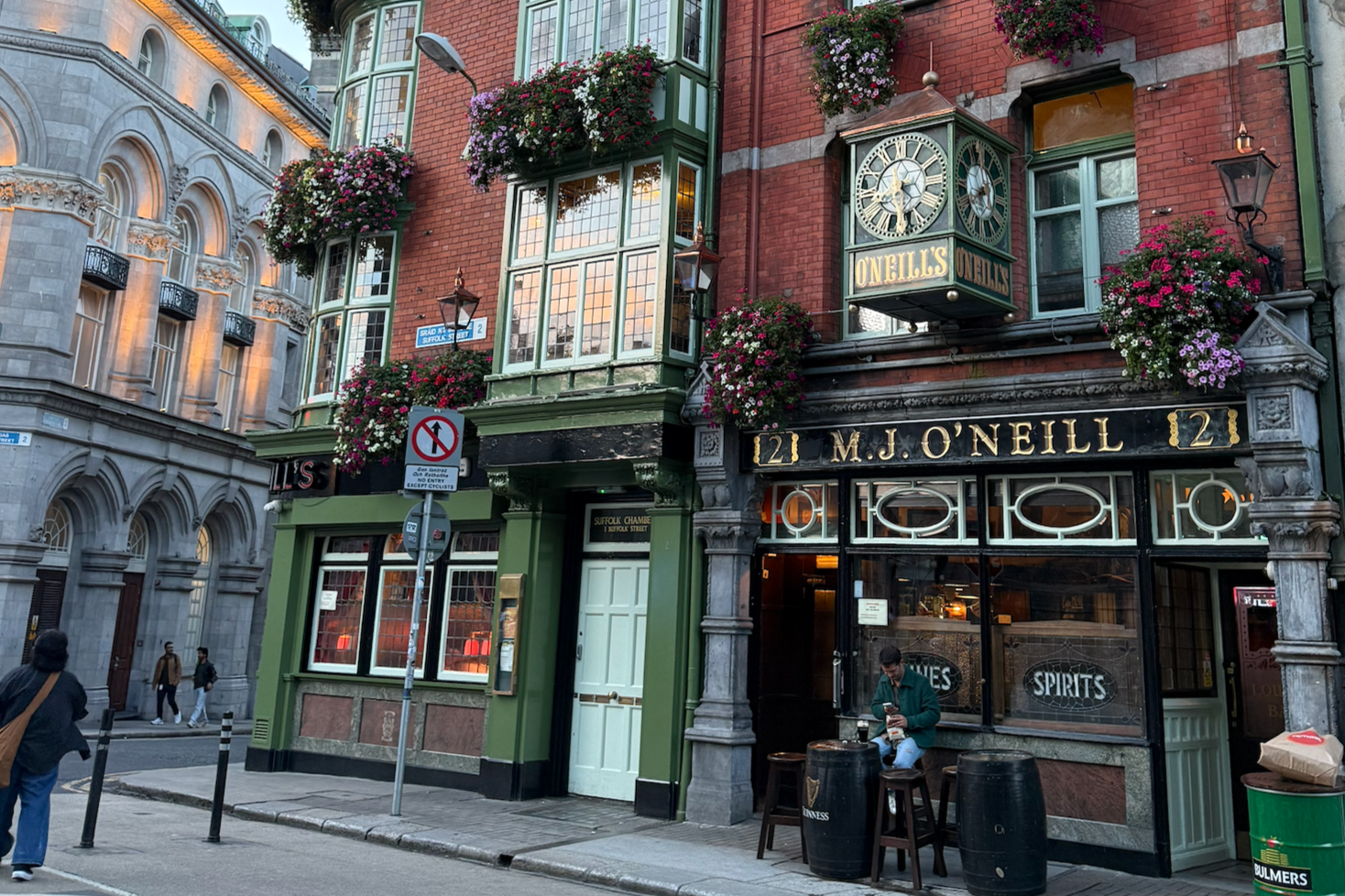
Historic European cities always remind me how luxurious a smaller, highly considered space can feel.
I’ve never been particularly drawn to sprawling homes with endless hallways and rooms no one uses. I prefer spaces where every inch has a purpose—and perhaps a little bit of magic.
Older European buildings are especially good at this. Storage is tucked into unexpected places. Small rooms feel intimate rather than cramped. Architectural quirks are treated as part of the charm instead of something that needs to be corrected.
That mindset translates beautifully to the homes we design. A shallow cavity can become useful storage. An underperforming closet can become a proper mudroom. An awkward corner can become the most interesting part of a room. Bigger isn’t always better. Better is better.
The Colors and Textures of the Mountains
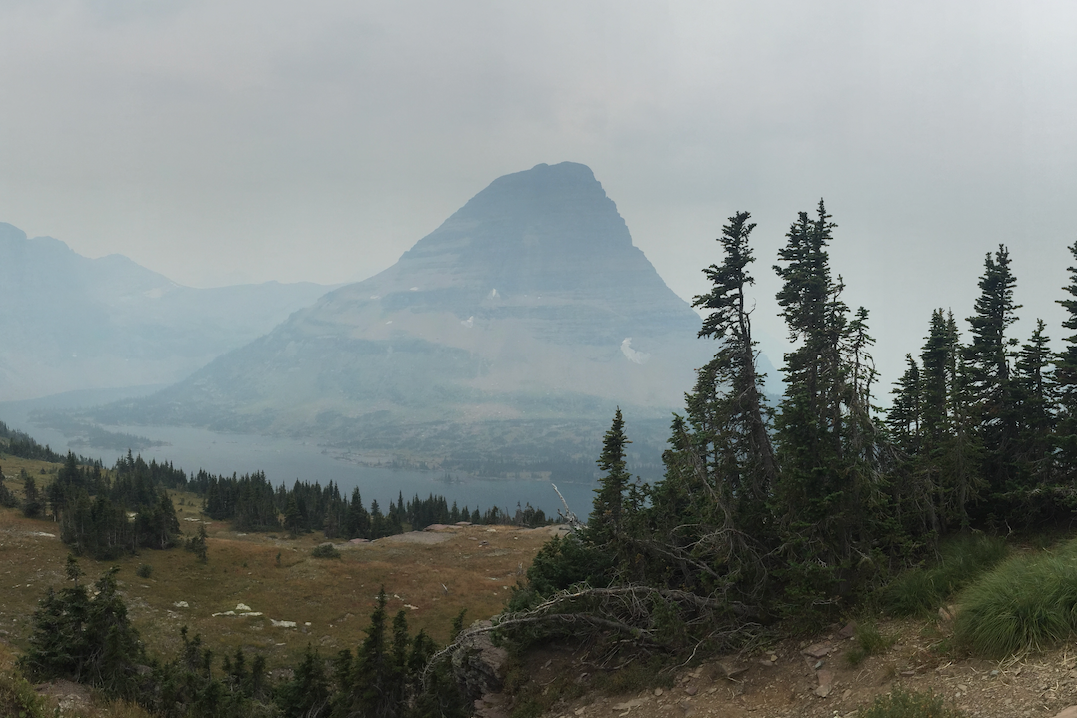
Nature is very good at color palettes.
In Montana, the colors feel quiet but incredibly layered: hazy blues, deep evergreen, dry grasses, pale stone, and enormous expanses of gray sky. The landscape also makes a strong case for letting materials be what they are. Rock should look like rock. Wood should have texture. Wool, leather, linen, and velvet become even more beautiful when they aren’t overly polished or precious.
Mountain landscapes are also a reminder that beautiful rooms need tension. A rough or structured material feels more interesting beside something soft. Stone looks better with velvet. Rustic wood can make a refined fabric feel less formal. A room becomes warmer and more personal when everything isn’t trying to say the same thing.
The Energy of the Sun-Drenched Places
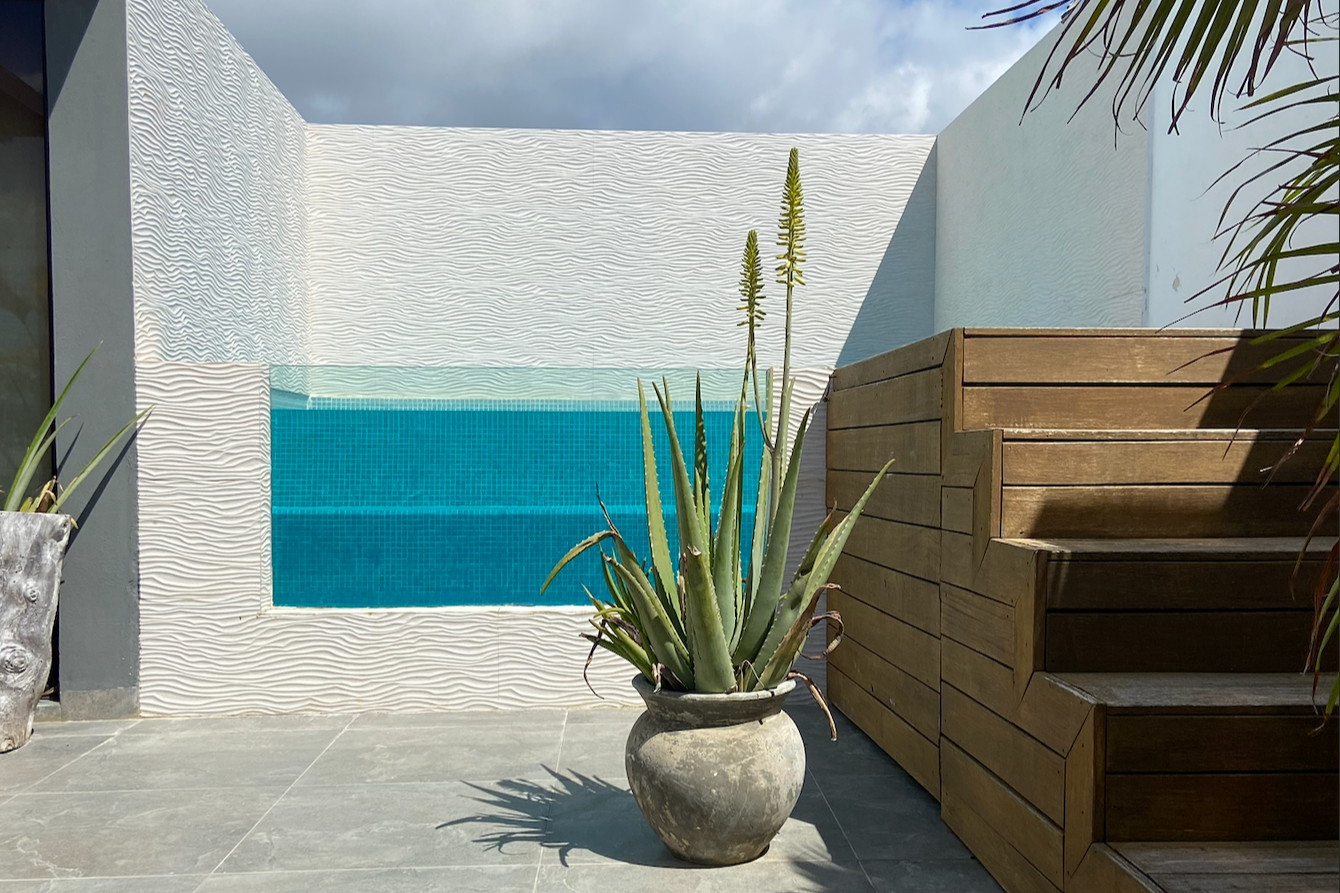
Mexico and Miami inspire me in an entirely different way. The light is stronger, the colors are bolder, and there’s a looseness to the way indoor and outdoor spaces relate to one another.
In Mexico, I’m always drawn to the saturated plaster walls, handmade tile, carved wood, woven textiles, and courtyards overflowing with plants. Nothing feels too perfect, which is part of what makes it so beautiful. You can see the hand of the person who made something, and materials are allowed to age naturally.
Miami has its own version of that confidence: tropical color, glossy surfaces, sculptural architecture, and a little bit of glamour. It reminds me that a room can be sophisticated without being restrained—and that sometimes the right choice is the more playful one.
Hot climates encourage us to design with ease in mind. Natural materials, breezy fabrics, cool stone, strong color, and a seamless connection to the outdoors can make a home feel both elevated and completely relaxed.
Bringing the Inspiration Home
I don’t return from a trip and attempt to recreate the place I just visited. Inspiration works its way into a project more subtly than that.
It might influence a color palette, a material combination, the way we approach storage, or the decision to let an imperfect architectural detail remain imperfect. It may remind me that a room doesn’t need to be large to feel special—or that a home can be sophisticated without feeling formal.
Most importantly, travel reinforces what I already believe about good design: a home should tell the story of the people who live there. It should include art you love, objects collected over time, reminders of places you’ve been, and details that make people curious.
It should feel beautiful, of course. But it should also feel like you.
The end.
Interested in working with Violet Marsh Interiors? We design warm, layered interiors for new construction homes, full-scale renovations, and furnishing projects in Atlanta, New England, and beyond. Book a discovery call to tell us about your project and see if we’re a good fit.
Join the Party.
We promise not to bother you too much, but if you’d like to be alerted to new before & after blog content, please submit your details below.